Find Posts By Topic

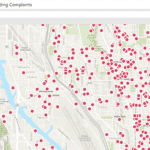
New Shaping Seattle Map for Finding Complaints and Violations

SDCI is enthused to announce the release of its new Shaping Seattle: Property & Building Complaints map. This new map displays active complaints and violations and the actions taken by SDCI’s Code Compliance Division to help bring properties into compliance with community standards. This map will make it easier for the public to find complaints and track when the City determines a violation is present around their neighborhood. SDCI optimized the map to work best on mobile devices so you can quickly find complaint and violation information about properties you see when walking in your community.


2018 Seattle Codes Effective as of March 15

The 2018 Seattle construction codes went into effect on March 15, 2021. Unless your project is vested to an earlier code, all new permit applications are required to use the 2018 version of the building, residential, existing building, mechanical, fuel gas, plumbing, elevator, and fire codes and the 2020 versions of the electrical and boiler codes. A summary of key changes can be found on the Project Documents page of SDCI’s 2018 Seattle Code Adoption webpage.

Seattle Code Books Available to Purchase Online

SDCI is now offering the 2018 Seattle code books available for purchase through the Seattle Services Portal. You can submit your request for a hardcopy of the current version of the Seattle code books and we will mail them to you.

New Code Interpretation for Townhouse Unit Separation

SDCI published a new Code Interpretation R302.2 Townhouse Unit Separation on March 15, 2021. The purpose of the Code Interpretation is to clarify methods to provide separation between townhouse units designed to the 2018 Seattle Residential Code. Typically, the code requires a fire-resistance-rated wall assembly to provide continuous separation between units from foundation to roof. There are several conditions where separation is required to extend beyond this enclosed floor area.

New Renter’s Handbook

Renting in Seattle, a program within SDCI, published the Renter’s Handbook. The handbook is a completely revised version of the landlord/tenant summary, required by rental agreement regulations in the City. Designed as a companion to the Renting in Seattle website, the Renter’s Handbook covers the rental cycle from finding a home to moving out. It provides information about the rights and obligations in the rental relationship, as well as some practical tips to enhance it.

March Publication Updates

We updated a tip on mandatory housing affordability and finalized a director’s rule about the green building standard.

COVID-19 Site Safety Requirements and Documentation

COVID-19 has significantly changed the way we all work, and construction is no exception. Jobsite safety as we know it has changed significantly over the past year. The state of Washington and the City of Seattle have both published site safety requirements to manage exposure to COVID-19. These requirements should be read and understood by contractors, and necessary site safety should be in place during construction activity onsite.

Seattle Home Fairs Recordings

Thank you to everybody that attended the Seattle Home Fairs on January 30 and February 6. We had over 500 attendees join us over the two days! We were happy that so many of you were able to join us. If you missed the Home Fairs, or want to watch a different session, the recordings, presentations, and resources are now available on our Seattle Home Fairs webpage.

Publication Updates

We updated four Tips related to accessory dwelling unites and condominium conversions and published a draft director’s rule about the green building standard.

Snow Safety Guidance for Outdoor Tents

According to the National Weather Service, Seattle could get significant snowfall Thursday night through the weekend. Snow accumulation on tents can cause them to fail and injure the occupants. Temporary tents should not be occupied during periods of snow or ice accumulation, unless they are designed for full structural loading per the Seattle Building Code.